
The Flow Master archetype in hip-hop highlights artists known for exceptional rhythmic control, cadence variation, and seamless transitions between bars. Within the Flow Master category, emphasis is placed on how delivery shapes meaning, turning voice, timing, and breath control into defining artistic tools. These artists elevate hip-hop culture through fluid performance styles that often feel effortless yet highly technical.
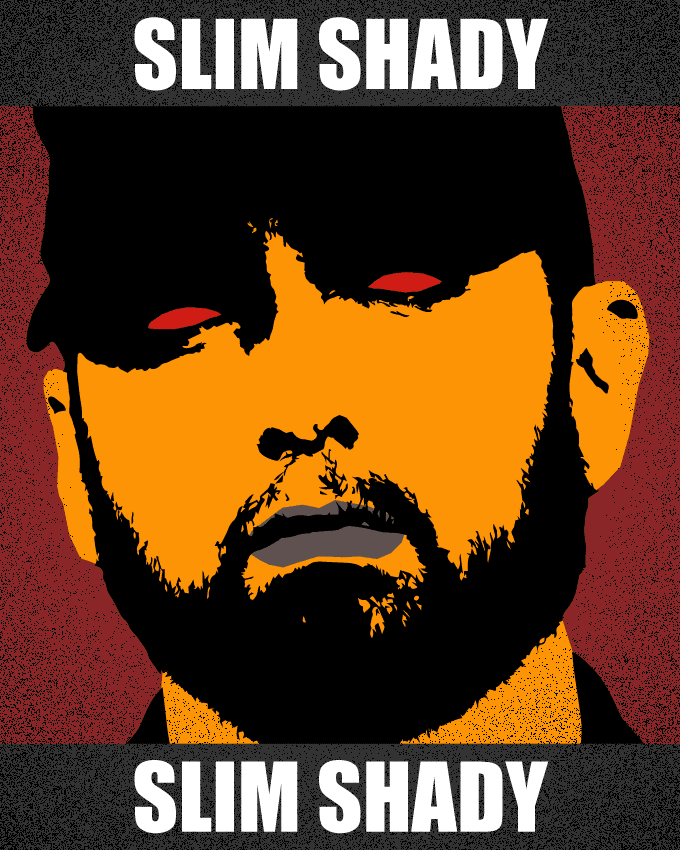
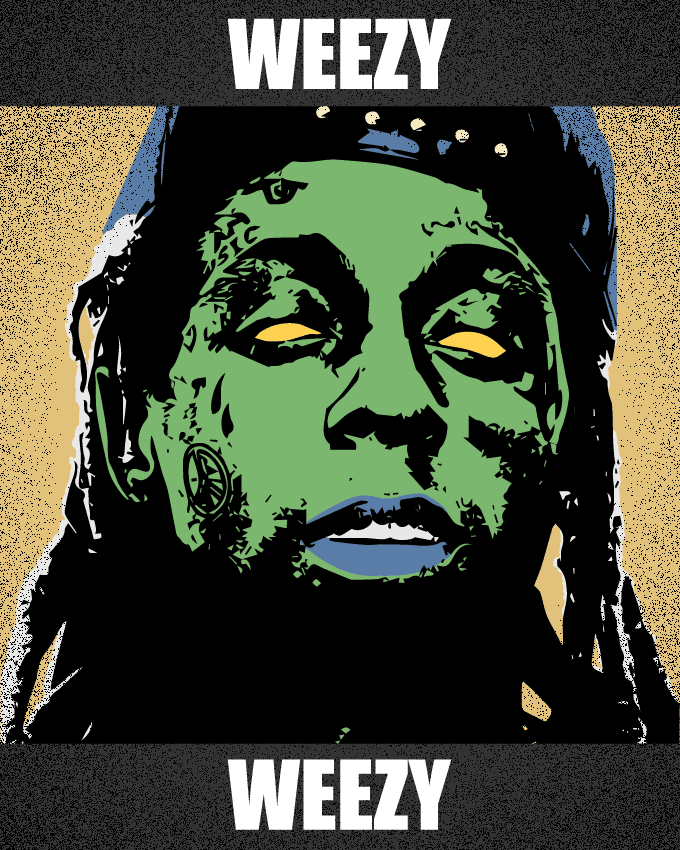
Flow Masters in hip-hop are defined by their ability to manipulate rhythm and cadence in ways that transform even simple lyrics into dynamic performances. Their skill lies not only in what is said, but in how it is delivered, with shifts in tempo, syncopation, and vocal texture creating layered listening experiences. This approach reflects the evolution of rap as a performance-based art form where flow becomes as important as lyrical content.
The cultural influence of Flow Masters can be seen across multiple eras, as artists continually push the boundaries of rhythmic experimentation. From early MCs who established foundational cadence patterns to modern innovators who adapt flows to trap beats, drill rhythms, and experimental production, this archetype has remained central to hip-hop’s stylistic development. Their work often sets new standards for versatility and technical adaptability.
Flow Master techniques are deeply shaped by regional identity, with Southern rap emphasizing bounce and triplet flows, East Coast styles focusing on precision and density, and West Coast traditions incorporating laid-back rhythmic glide. This diversity has made flow one of the most flexible and expressive elements in hip-hop. As the genre continues to evolve, the Flow Master remains a key figure in shaping how rhythm defines artistic identity and cultural impact.
Explore Other Hip-Hop Archetypes
The Flow Master is defined by exceptional cadence, timing, and delivery, but flow is only one aspect of what makes a great rapper. The Lyricist focuses on complex rhyme patterns and lyrical craftsmanship, while the Storyteller uses words to create compelling narratives and memorable characters. The Berserker brings unmatched intensity and passion, turning every verse into an explosive performance. Meanwhile, the Hitmaker understands how to create songs that resonate with a wide audience. Discover the other archetypes to explore the full spectrum of hip-hop talent.