The Lyricist archetype in hip-hop represents artists who prioritize technical wordplay, intricate rhyme schemes, and precision in lyrical construction. Within the Lyricist category, emphasis is placed on penmanship, flow control, and linguistic creativity, showcasing hip-hop as a craft rooted in verbal mastery. These artists shape the culture through influence, complexity, and a deep respect for lyrical tradition.


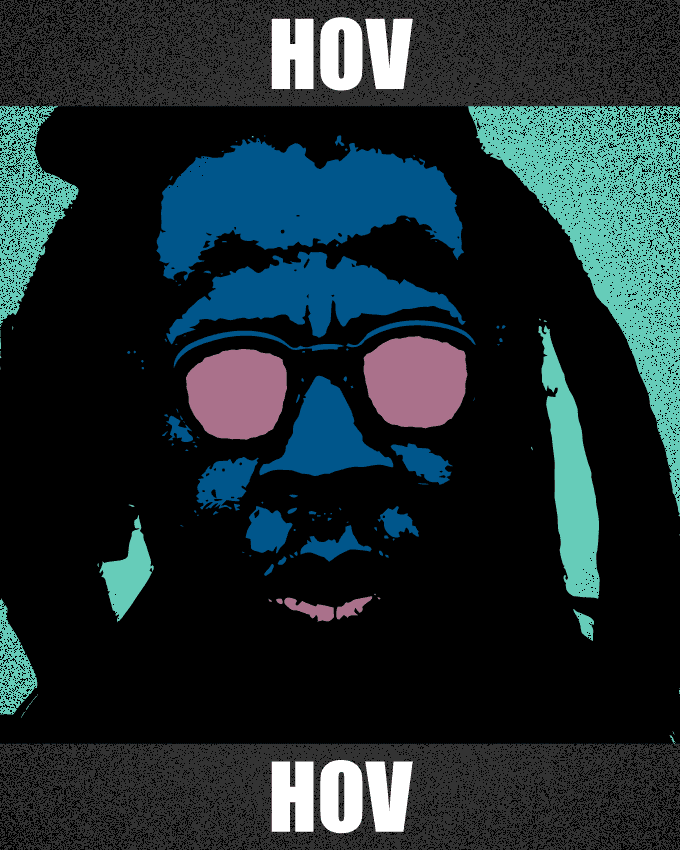
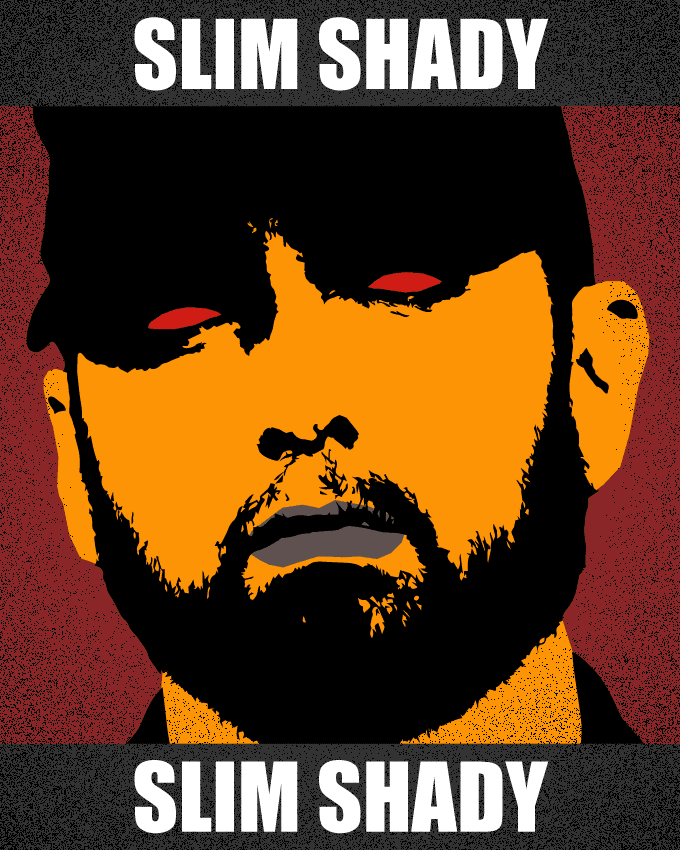
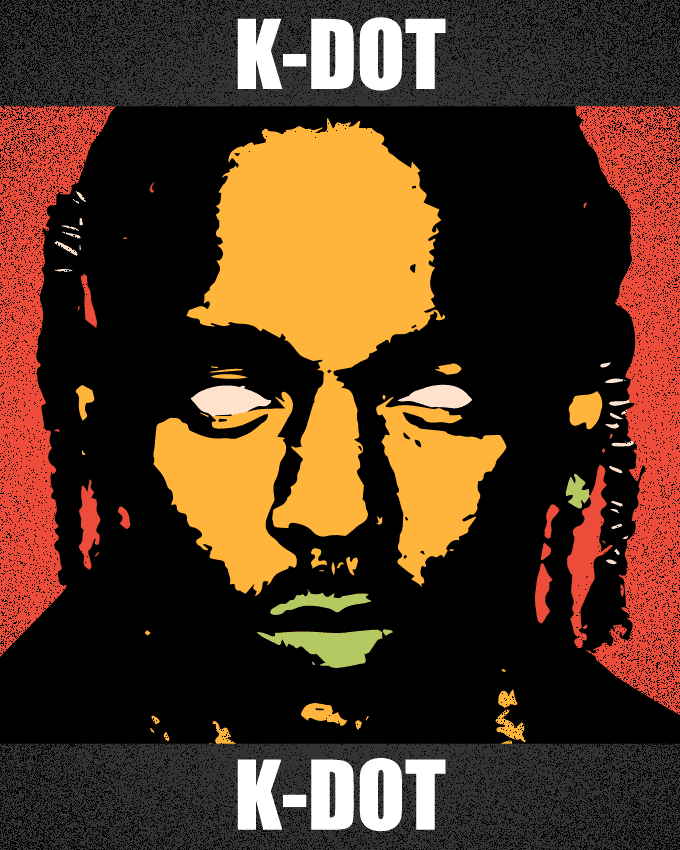
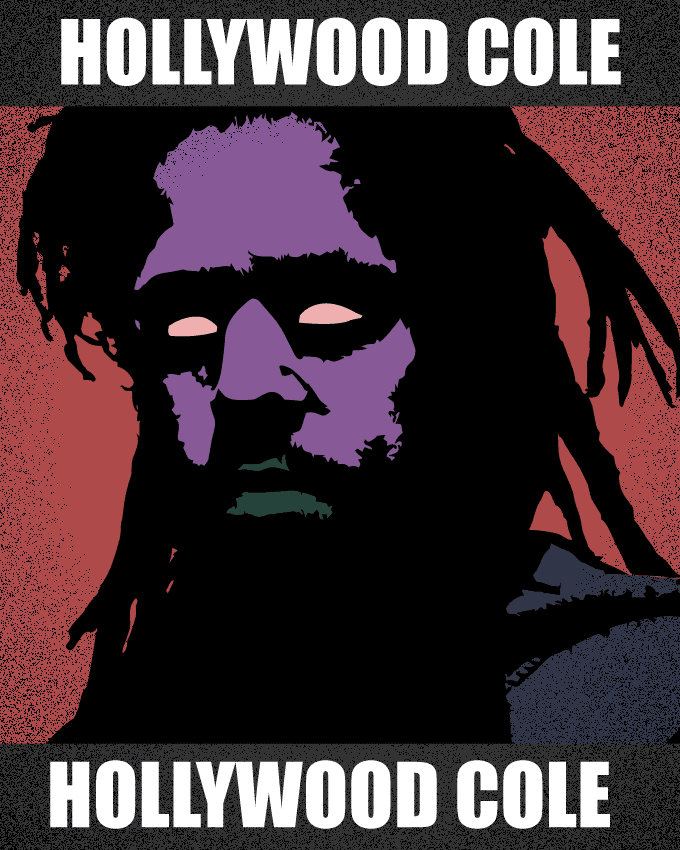
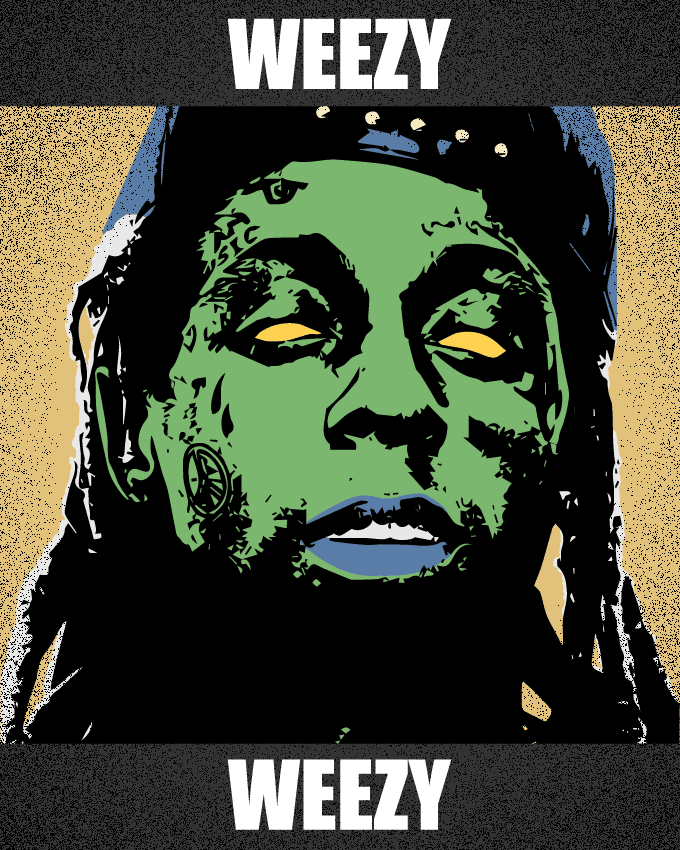
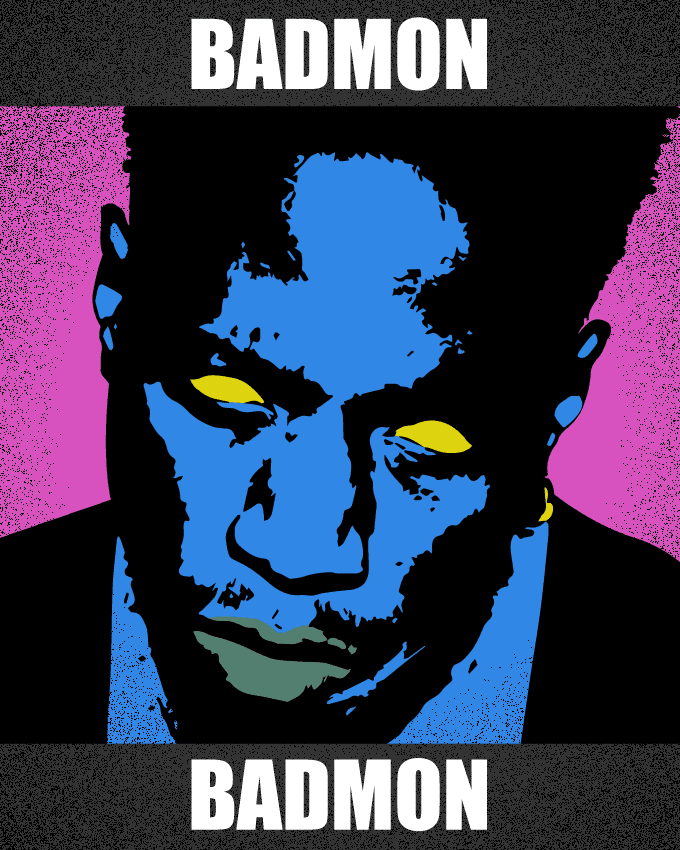
Lyricists in hip-hop are defined by their commitment to language as the core instrument of expression, often elevating rap into a form of advanced poetic practice. Their work typically features multi-syllabic rhymes, internal rhyme structures, and carefully constructed verses that reward close listening. This approach highlights the evolution of hip-hop from party-oriented rhythms into a respected lyrical art form.
The cultural importance of the Lyricist archetype lies in its role as a benchmark for technical skill within the genre. Across different eras, from early foundational MCs to modern wordsmiths, lyricists have shaped standards of authenticity, intellectual depth, and artistic credibility. Their influence extends into battle rap traditions, underground scenes, and mainstream music that values complexity over simplicity.
Regional identity also plays a role in shaping lyrical style, with East Coast rap historically emphasizing dense wordplay, while other regions incorporate their own rhythmic and narrative variations. The Lyricist archetype continues to evolve alongside changing production styles, adapting to trap beats, experimental sounds, and digital-era flows without losing its core focus on language mastery. Ultimately, the Lyricist remains central to hip-hop’s identity as a culture built on the power of words.
Explore Other Hip-Hop Archetypes
While the Lyricist is known for technical skill, intricate rhyme schemes, and clever wordplay, hip-hop offers many different paths for artists to express themselves. The Storyteller captivates audiences through vivid narratives and emotional depth, while the Flow Master stands out through exceptional rhythm, cadence, and delivery. The Berserker channels raw energy and intensity into every performance, creating an unforgettable presence. Meanwhile, the Hitmaker focuses on crafting memorable songs with broad appeal. Explore these archetypes to discover the diverse talents that shape hip-hop culture.