
The Storyteller archetype in hip-hop represents artists who prioritize narrative depth, vivid imagery, and cinematic lyricism as central elements of their craft. Within the Storyteller category, rap becomes a form of structured storytelling where characters, scenes, and emotional arcs shape the listening experience. These artists elevate hip-hop culture through detailed perspectives that reflect lived experience, imagination, and social observation.
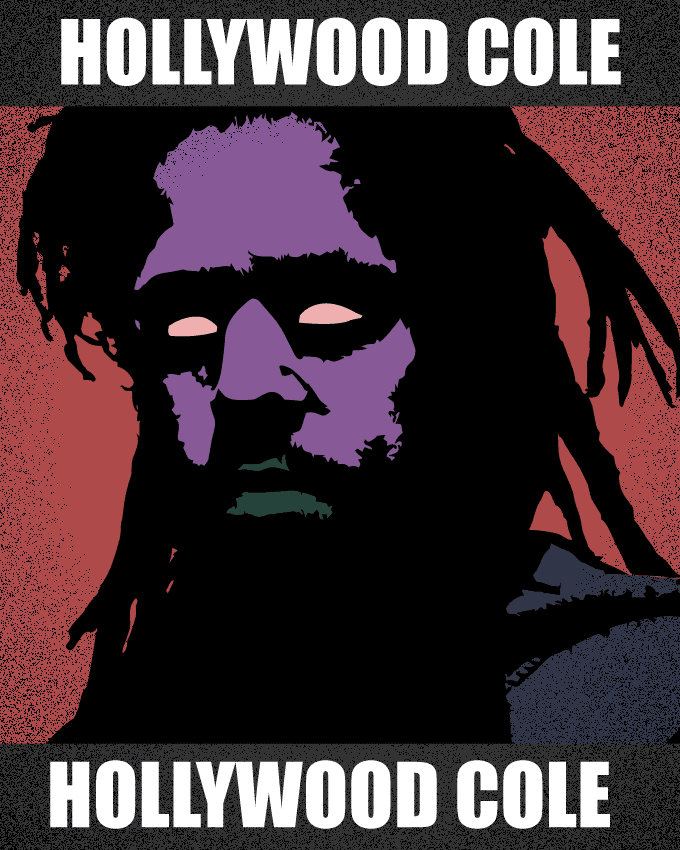
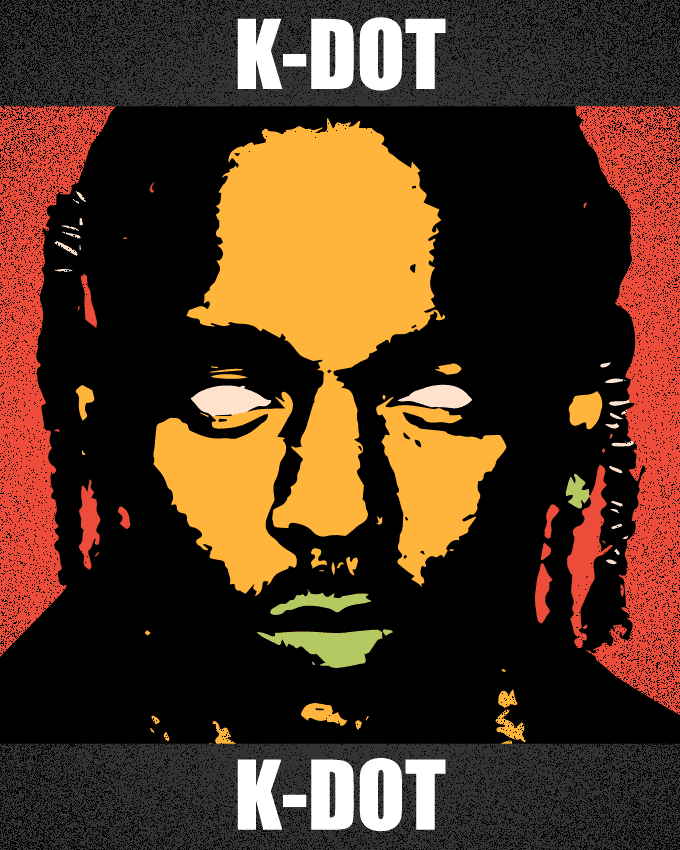
Storyteller hip-hop emerged as artists began using rap not just as rhythmic expression, but as a medium for structured narrative building. This approach draws heavily on literary traditions, blending spoken word influence with street poetry to create immersive lyrical worlds. Whether recounting personal struggles, fictional scenarios, or social commentary, these artists use sequencing, perspective shifts, and vivid detail to construct meaningful stories within their music.
The cultural significance of the Storyteller archetype lies in its ability to humanize hip-hop, turning individual tracks into layered narratives that reflect broader social realities. Many artists in this category are known for conceptual albums, interconnected song themes, and emotionally driven writing that bridges entertainment with reflection. Their influence can be traced across multiple eras, from early rap pioneers who introduced narrative structure to modern lyricists who expand storytelling through cinematic production and complex character development.
Storytelling in hip-hop also connects deeply with regional traditions, from East Coast lyricism and boom bap narratives to Southern street realism and West Coast cinematic imagery. This versatility has allowed the archetype to evolve alongside the genre itself, shaping how audiences engage with rap as both music and literature. The Storyteller remains a vital force in hip-hop, preserving its cultural memory while continually redefining its expressive boundaries.