
Pop Rap sits at the intersection of hip-hop and mainstream pop sensibilities, shaping a more melodic and radio-friendly direction within the broader culture. This category highlights artists who blend rap flow with catchy hooks, accessible production, and wide commercial appeal, often expanding hip-hop’s reach beyond its core audiences. Within Pop Rap, artists reflect the genre’s evolving relationship with influence, visibility, and global music culture.
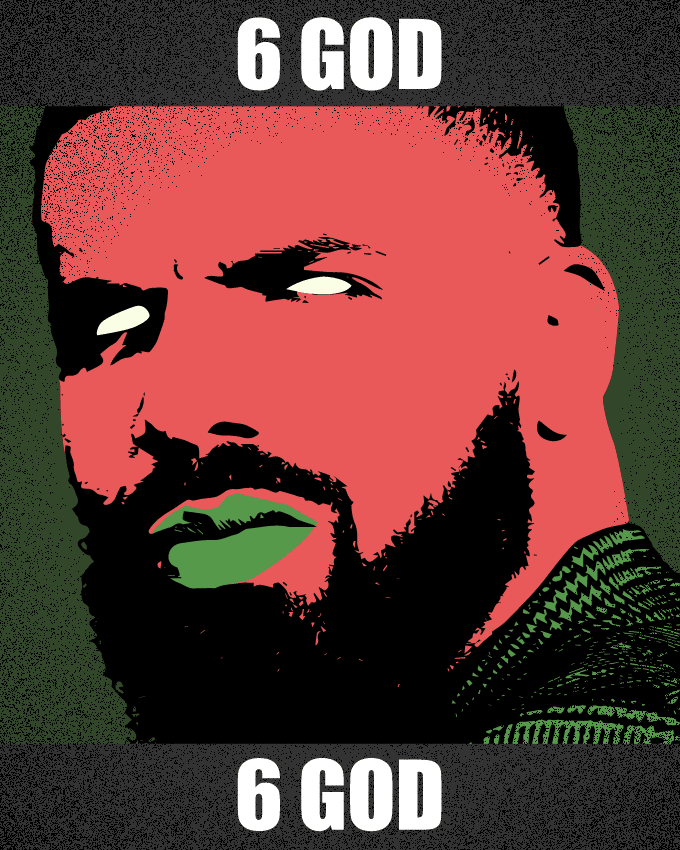
Pop Rap emerged as hip-hop began intersecting more directly with mainstream pop structures, prioritizing melody, repetition, and polished production alongside traditional rap techniques. Its evolution reflects a shift in the industry where crossover appeal became a key driver of success, reshaping how rap artists engaged with global audiences. While often debated within hip-hop circles, the style has played a major role in expanding the genre’s cultural footprint.
Artists associated with Pop Rap typically balance lyrical delivery with accessible songwriting, incorporating hooks, sung choruses, and high-gloss beats influenced by R&B, electronic music, and contemporary pop. This approach has produced chart-dominating records while also influencing how newer generations of artists structure their sound and branding. From early crossover pioneers to modern streaming-era stars, Pop Rap continues to evolve alongside shifts in digital consumption and audience expectations.
The genre’s regional boundaries are fluid, drawing from East Coast storytelling traditions, West Coast melodic experimentation, and Southern rhythmic innovation. Its influence can be traced through adjacent styles like trap-pop and melodic rap, showing how hybrid forms often redefine genre limits. Despite ongoing debates about authenticity and commerciality, Pop Rap remains a defining force in hip-hop’s global expansion.