
Southern Hip-Hop represents a powerful regional branch of rap culture rooted in the American South, where distinct rhythms, slang, and production styles reshaped the genre’s identity. The Southern Hip-Hop category highlights artists who helped define this sound through heavy bass, chopped production, and culturally grounded storytelling. From early pioneers to modern innovators, this region has become a major force in hip-hop’s global evolution.
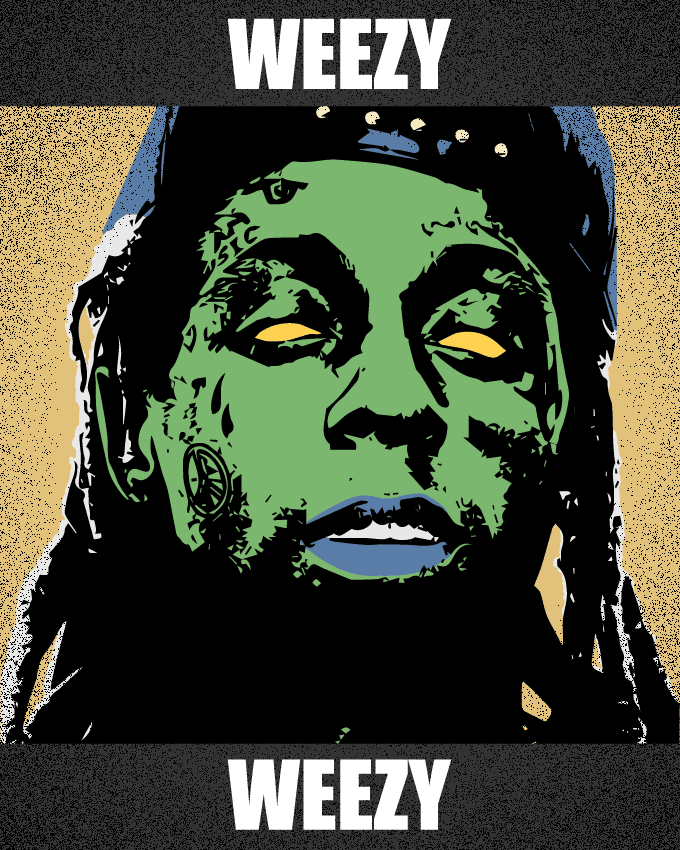
Southern Hip-Hop emerged as a distinct regional movement that challenged the dominance of East Coast and West Coast narratives, building its own sonic identity through bass-heavy production, slower tempos, and a strong emphasis on local culture. Cities like Atlanta, Houston, New Orleans, and Memphis became creative hubs where artists developed unique flows and production styles that reflected their environments and lived experiences.
The influence of Southern Hip-Hop can be traced through the rise of crunk, snap music, chopped and screwed aesthetics, and later the global dominance of trap. Artists from this region often emphasize rhythm, cadence, and atmosphere over dense lyrical complexity, though many also balance storytelling with street-level realism and cultural commentary. This duality has helped Southern rap expand its reach while maintaining a strong sense of regional authenticity.
As hip-hop evolved into a streaming-driven global genre, the South became one of its most influential centers, shaping mainstream sound design and production trends. Its impact extends across adjacent styles like trap and modern melodic rap, reinforcing its role as a foundational pillar of contemporary hip-hop. Southern Hip-Hop continues to define the genre’s forward motion while staying deeply connected to its cultural roots and community identity.